Who we are

Media Monitoring Africa (formerly the Media Monitoring Project) has promoted democracy and human rights through the media since 1993. It acts in a watchdog role to promote ethical and fair journalism that supports human rights.

What We Do

Media Monitoring Africa engages in a range of activities that aim to promote human rights and the democratic role of media. We utilise our research results to engage with media, government and civil society to improve practice and understanding around the importance of media ethics, quality and freedom.

Current Projects

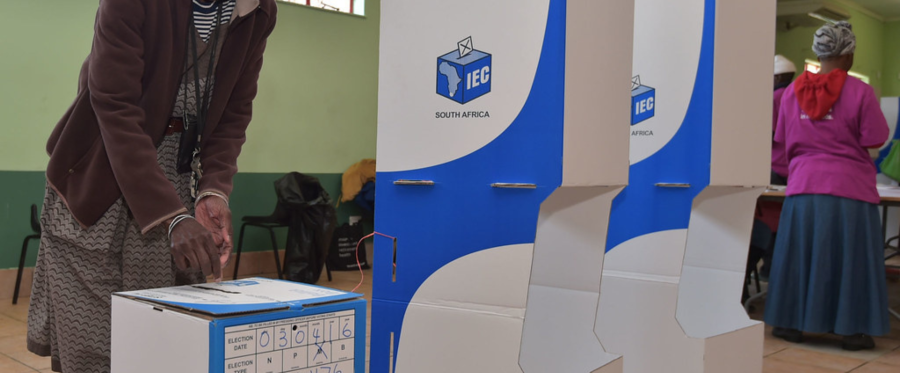
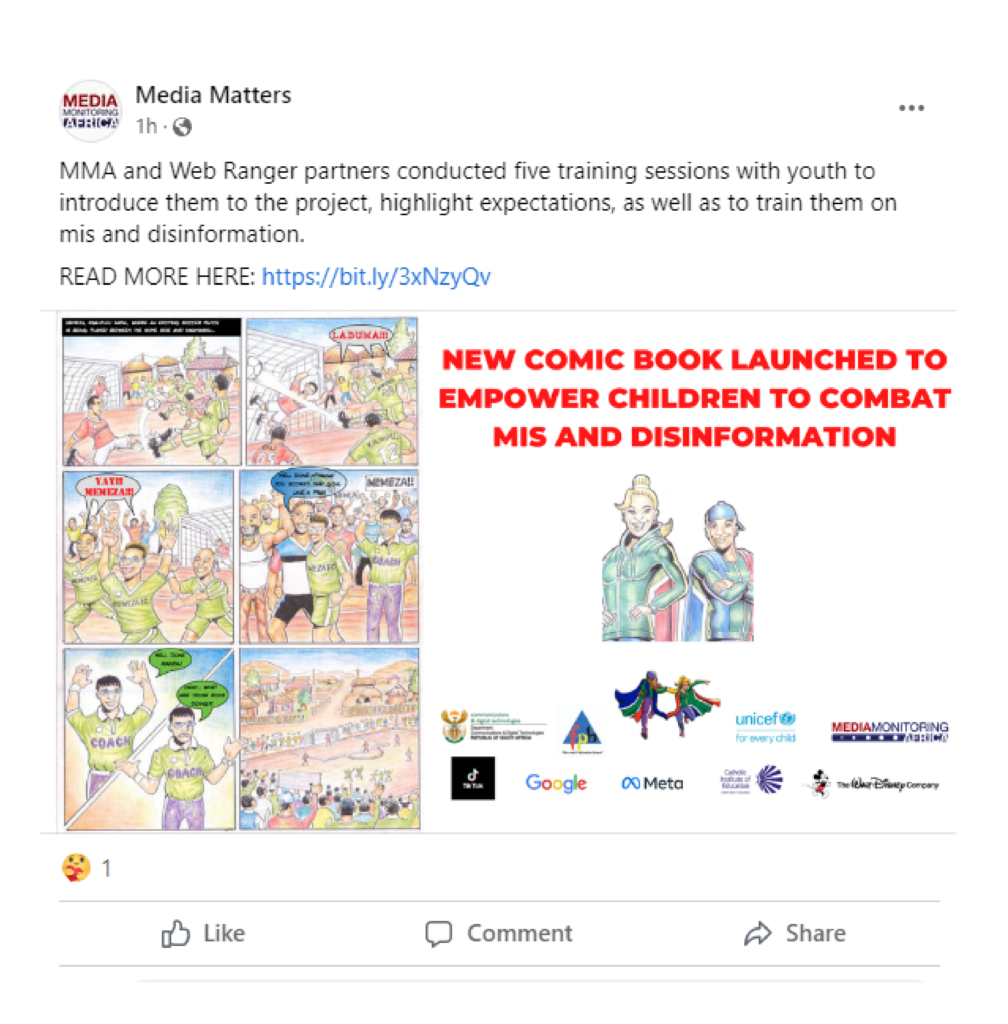
MMA is completing the report on the 2011 Local and Provincial Elections in South Africa and the Patients’ Rights: Writing it Right report on health coverage in the Zambian media, funded by OSI, and initiating the children's schools project for 2012, funded by the EU, where we teach children to monitor the media. 

Contact Us

For comment on current media issues or any other information contact us on:
Tel: +27 (0) 11 788 1278
Fax: +27 (0) 11 788 1289
Email: .(JavaScript must be enabled to view this email address)

Latest

“Dirty Business” is everyone’s business.

A feature article by Health-e News, titled “Dirty Business” (The Star, 02/05/2013, p.16) gets a GLAD for putting important issues that affect children on the national agenda.

Repeated violations of legislation by The New Age earns it a MAD

The New Age’s “Family fearful of killers” (26/04/2013, p. 10) gets a MAD for repeatedly flouting the Criminal Procedure Act by identifying children who are witnesses to a murder.  This is very unfortunate as Media Monitoring Africa had previously nominated the publication for a MAD for the very same story and cautioned them about the identification of child witnesses.

The Star protects rape victim’s identity but doesn’t explore ‘HIV cure’ myth

The media plays a valuable role in informing the public about HIV and AIDS. Understanding and unpacking the myths commonly associated with HIV is also an important aspect of ensuring that the media reports accurately about the disease; an opportunity that The Star failed to exhaustively explore. While the article missed the opportunity to extensively dispel the myth that raping a virgin, a child or an HIV negative person will cure one of HIV, Media Monitoring Africa (MMA) applauds The Star for protecting the identity of the child who was allegedly raped by his father with the belief that it will cure him of HIV.

Probing questions could make for excellent articles

Media Monitoring Africa (MMA) would like to congratulate Sowetan for accessing children in the article titled “Pupils risk life and limb to get to school” (19/04/2013, p.7).

Boy’s best interests not recognised

Drug abusers and addicts are often stigmatised and discriminated in and by the society. Media Monitoring Africa therefore fears that an article by Sowetan titled “‘I sleep with the house keys under my pillow’ (10/04/2013, p.9) in which an alleged teen drug abuser is indirectly identified, might expose the child to stigma and other unwarranted consequences.

Sowetan gets a GLAD for uplifting article about young child star.

Sowetan’s article “Great actor comes in dynamite size” (22/03/2013, p.23) gets a GLAD for highlighting the achievements of a young actor and his capacity to excel in both his school work and acting career.

Media Tuesday Bulletin: SABC’s hour-long news; Universal Channel error; And, Varsity News survey

And here’s what we have this Media Tuesday:

  • SABC’s hour-long news: yay or nay?
  • Did The Universal Channel really make a mistake?
  • The Varsity News survey that sparked a social media row
Media adds children’s voices to the education crisis debate

Research on children and the media shows that children’s views are neglected even in issues that directly involve or affect them. Giving space to children’s voices and including their views in the news is an ethical responsibility that journalists often ignore. It is therefore commendable to see various media houses breaking such norms and showcasing children’s voices in the coverage of matters that concern them. Mail and Guardian, The Times and The Star newspapers took this into consideration and for that reason, they have been selected for a GLAD.

The New Age and The Star flout Criminal Procedure Act

The New Age and The Star newspapers published stories about the brutal killing of six family members in KwaZulu- Natal. The articles contravened the Criminal Procedure Act by identifying child survivors who are also potential witnesses to the killings. It is for this reason that the two newspapers have been selected for a MAD.

Sowetan bends the rules in a story of a “pupil on the mend”

“Shot pupil on the mend” (18/02/2013, p.7) by Sowetan has been selected for a MAD for not adequately protecting the identity of a pupil who was allegedly assaulted.By identifying the child, Sowetan has potentially put the child at risk of more harm.

The New Age highlights children’s plight, but without any ethics in sight

The New Age’s article, “No school for twins” (01/03/2013. p.11) is selected for a MAD for failing to minimise harm by not protecting victims of discrimination.

Legal violations earn Daily Sun and Sowetan a MAD

Daily Sun’s “Butcher! Man bust after woman’s head is cut off in bloody muthi killing!” (13/02/2013, p.1) and Sowetan’s “Bust Burying Wife in yard” (14/02/2013p.2) share a MAD for failing to protect the identities of child witnesses.

Media Tuesday Bulletin: Press Council vs courts?; Media transformation; And, the Budget Speech

And here’s what we have for you this Media Tuesday:

  • Do government officials have no trust in the Press Council?
  • Is SA media serious about transformation?
  • Where is the hype about the Budget Speech?
The Star breaks the mould and portrays a child as a survivor

The Star’s article “First Xenophobia - then vicious floods”(05/02/2013, p14) is one to be glad of, and should be highly commended. It adopts a responsible approach by portraying a child who has gone through many tribulations in his life as not a victim but a survivor.

Sexwale divorce: The naming of names is a difficult matter, writes William Bird

William Bird, Director of Media Monitoring Africa (MMA), discusses the dynamics of the naming of parties involved in a divorce case and the publication of details thereof by the media. Using the Tokyo Sexwale divorce story as published by The Star and Sunday Times newspapers, Bird discusses the rights and the wrongs of publishing such information and what the law says regarding such publication.